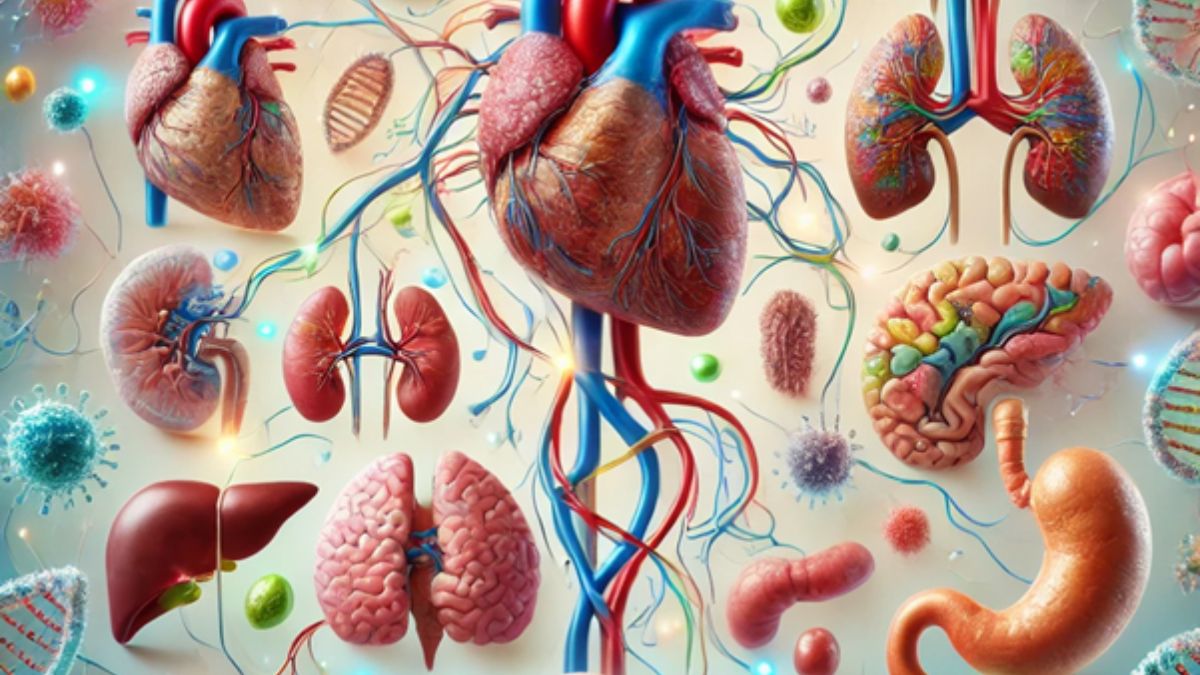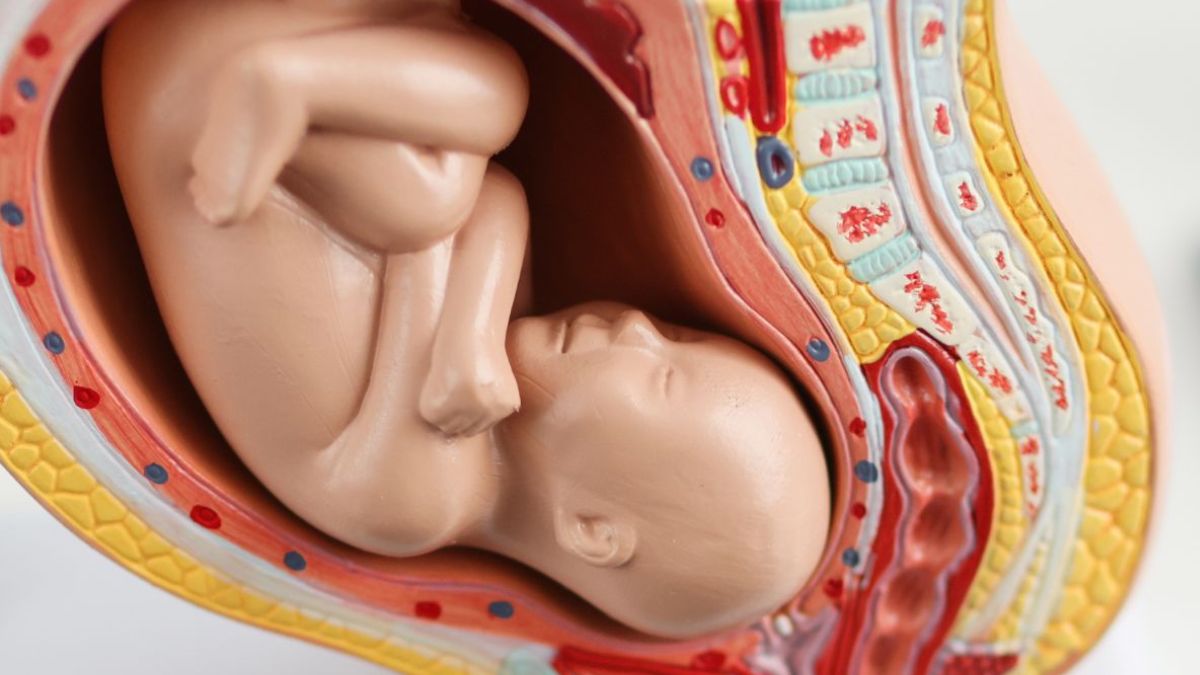

Sleep is a fundamental biological process essential for maintaining physiological homeostasis. It is intricately linked to various systemic functions, including neurocognitive operations, metabolic regulation, immunological response, and cellular regeneration. Sleep architecture is primarily categorized into two distinct phases: Non-Rapid Eye Movement (NREM), which is critical for physical restoration and tissue repair, and Rapid Eye Movement (REM), which plays a pivotal role in memory consolidation and emotional regulation.
Substantial clinical evidence suggests that sleep deprivation is significantly correlated with chronic health conditions, such as diabetes mellitus, cardiovascular disease, immune dysfunction, and clinical depression. Furthermore, abbreviated sleep duration is an established risk factor for obesity, hypertension, and adverse cardiac events.
Sleep and Neurodegenerative Disorders
Neurodegenerative pathologies, such as Alzheimer’s Disease and Parkinson’s Disease, are characterized by the progressive loss of neuronal function. Optimal sleep is increasingly recognized as a critical neuroprotective factor in the prevention and management of these conditions.
Alzheimer’s Disease: This condition is marked by the pathological accumulation of amyloid-beta plaques in the cerebral cortex. Recent neurological research indicates that sleep facilitates the glymphatic system, which is responsible for the clearance of neurotoxic metabolic waste. Consequently, poor sleep quality may accelerate proteotoxicity, potentially triggering or exacerbating Alzheimer’s pathogenesis.
Parkinson’s Disease: Sleep disturbances often serve as early clinical markers for Parkinson’s. REM Sleep Behavior Disorder (RBD)—characterized by physical movements during dreaming—is frequently an incipient symptom. A 2013 study identified that individuals with RBD possess a significantly higher longitudinal risk of developing Parkinson’s within a decade. Additionally, sleep fragmentation and diminished REM sleep are associated with increased severity of motor symptoms and accelerated cognitive decline.
Sleep and Oncogenesis (Cancer)
Emerging research underscores the link between chronic sleep disruption and increased cancer susceptibility. This is largely attributed to the misalignment of circadian rhythms—the endogenous biological clock governing the sleep-wake cycle.
The International Agency for Research on Cancer (IARC) has observed that nocturnal shift work is associated with a higher incidence of breast cancer. This correlation is likely mediated by the suppressed production of melatonin, an antioxidant hormone that safeguards DNA from oxidative damage. Moreover, chronic sleep deprivation induces systemic inflammation, which promotes a microenvironment conducive to the proliferation and metastasis of malignant cells.
In clinical oncology, maintaining high-quality sleep during chemotherapy has been shown to improve therapeutic outcomes and mitigate adverse side effects. Furthermore, sleep quality is a significant predictor of the survival rate in terminal cancer patients. Implementing Cognitive-Behavioral Therapy for Insomnia (CBT-I) has proven effective in enhancing the quality of life and reducing cancer-related fatigue.
Sleep Deprivation and Systemic Health Consequences
Beyond chronic diseases, persistent sleep insufficiency leads to acute impairments, including a higher propensity for accidents, diminished occupational productivity, delayed reaction times, and exacerbated mental health disorders—most notably anxiety and clinical depression. Sleep-disordered breathing, such as Obstructive Sleep Apnea (OSA), is also profoundly linked to psychiatric comorbidities.

Protocols for Optimizing Sleep Hygiene
To enhance sleep quality and facilitate cellular health, the following evidence-based strategies are recommended:
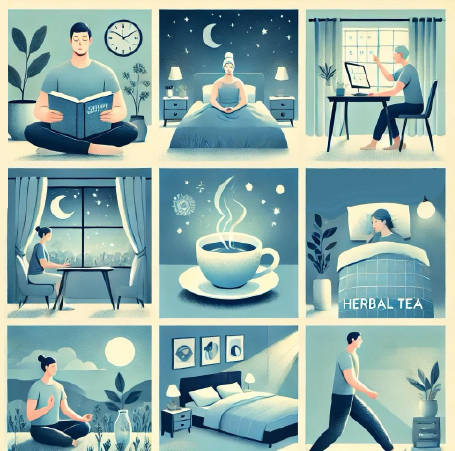
Circadian Consistency: Adhere to a strict sleep-wake schedule to synchronize the internal biological clock.
Pre-sleep Deceleration: Engage in sedative activities, such as reading or warm baths, to signal the onset of physiological relaxation.
Environmental Optimization: Ensure the sleeping environment is dark, quiet, thermoregulated (cool), and ergonomically sound.
Mitigation of Blue Light Exposure: Limit the use of electronic devices prior to sleep to prevent the suppression of melatonin secretion.
Pharmacological Vigilance: Restrict the consumption of caffeine and alcohol, as they disrupt sleep architecture and metabolic cycles.
Regular Physical Activity: Consistent exercise promotes sleep efficiency and stress reduction; however, high-intensity exertion should be avoided close to bedtime.
Dietary Modulation: Avoid heavy caloric intake and excessive fluid consumption in the evening to prevent gastrointestinal discomfort and nocturnal awakenings.
Psychological Stress Management: Utilize mindfulness, meditation, and deep-breathing techniques to reduce sympathetic nervous system arousal.
Strategic Napping: Limit daytime naps to prevent interference with nocturnal sleep drive.
Natural Light Exposure: Maintain regular exposure to natural sunlight during the day to reinforce robust circadian signaling.
Read More
- Chang, A.M., Aeschbach, D., Duffy, J.F. and Czeisler, C.A., 2015. Evening use of light-emitting eReaders negatively affects sleep, circadian timing, and next-morning alertness. Proceedings of the National Academy of Sciences, 112, 1232–1237.
- Collins, K.P., Geller, D.A., Antoni, M., Donnell, D.M., Tsung, A., Marsh, J.W., Burke, L., Penedo, F., Terhorst, L., Kamarck, T.W. and Greene, A., 2017. Sleep duration is associated with survival in advanced cancer patients. Sleep Medicine, 32, 208–212.
- Drake, C., Roehrs, T., Shambroom, J. and Roth, T., 2013. Caffeine effects on sleep taken 0, 3, or 6 hours before going to bed. Journal of Clinical Sleep Medicine, 9, 1195–1200.
- Feige, B., Baglioni, C., Spiegelhalder, K., Hirscher, V., Nissen, C. and Riemann, D., 2013. The microstructure of sleep in primary insomnia: An overview and extension. International Journal of Psychophysiology, 89, 171–180.
- Fu, Y., Xia, Y., Yi, H., Xu, H., Guan, J. and Yin, S., 2017. Meta-analysis of all-cause and cardiovascular mortality in obstructive sleep apnea with or without continuous positive airway pressure treatment. Sleep and Breathing, 21, 181–189.
- Holth, J.K., Patel, T.K. and Holtzman, D.M., 2017. Sleep in Alzheimer’s disease–beyond amyloid. Neurobiology of Sleep and Circadian Rhythms, 2, 4–14.
- IARC Monographs on the Evaluation of Carcinogenic Risks to Humans, Vol. 98: Painting, Firefighting, and Shiftwork. IARC Press.
- Irwin, M.R., Olmstead, R. and Carroll, J.E., 2016. Sleep disturbance, sleep duration, and inflammation: A systematic review and meta-analysis of cohort studies and experimental sleep deprivation. Biological Psychiatry, 80, 40–52.
- Kredlow, M.A., Capozzoli, M.C., Hearon, B.A., Calkins, A.W. and Otto, M.W., 2015. The effects of physical activity on sleep: A meta-analytic review. Journal of Behavioral Medicine, 38, 427–449.
- Lan, L. and Lian, Z., 2016. Ten questions concerning thermal environment and sleep quality. Building and Environment, 99, 252–259.
- Megdal, S.P., Kroenke, C.H., Laden, F., Pukkala, E. and Schernhammer, E.S., 2005. Night work and breast cancer risk: a systematic review and meta-analysis. European Journal of Cancer, 41, 2023–2032.
- Milner, C.E. and Cote, K.A., 2009. Benefits of napping in healthy adults: Impact of nap length, time of day, age, and experience with napping. Journal of Sleep Research, 18, 272–281.
- Newman, A.B., Foster, G., Givelber, R., Nieto, F.J., Redline, S. and Young, T., 2005. Progression and regression of sleep-disordered breathing with changes in weight: The Sleep Heart Health Study. Archives of Internal Medicine, 165, 2408–2413.
- Pascoe, M.C., Thompson, D.R., Jenkins, Z.M. and Ski, C.F., 2017. Mindfulness mediates the physiological markers of stress: Systematic review and meta-analysis. Journal of Psychiatric Research, 95, 156–178.
- Postuma, R.B., Arnulf, I., Hogl, B., Iranzo, A., Miyamoto, T., Dauvilliers, Y., Oertel, W., Ju, Y.E., Puligheddu, M., Jennum, P. and Pelletier, A., 2012. A single‐question screen for rapid eye movement sleep behavior disorder: A multicenter validation study. Movement Disorders, 27, 913–916.
- Schenck, C.H. and Mahowald, M.W., 2005. Rapid eye movement sleep parasomnias. Neurologic Clinics, 23, 1107–1126.
- St-Onge, M.P., Mikic, A. and Pietrolungo, C.E., 2016. Effects of diet on sleep quality. Advances in Nutrition, 7, 938–949.
- Xie, L., Kang, H., Xu, Q., Chen, M.J., Liao, Y., Thiyagarajan, M., O’Donnell, J., Christensen, D.J., Nicholson, C., Iliff, J.J. and Takano, T., 2013. Sleep drives metabolite clearance from the adult brain. Science, 342, 373–377.
- Zee, P.C. and Turek, F.W., 2006. Sleep and health: Everywhere and in both directions. Archives of Internal Medicine, 166, 1686–1688.
- Zeitzer, J.M., Fisicaro, R.A., Ruby, N.F. and Heller, H.C., 2014. Millisecond flashes of light phase delay the human circadian clock during sleep. Journal of Biological Rhythms, 29, 370–376.