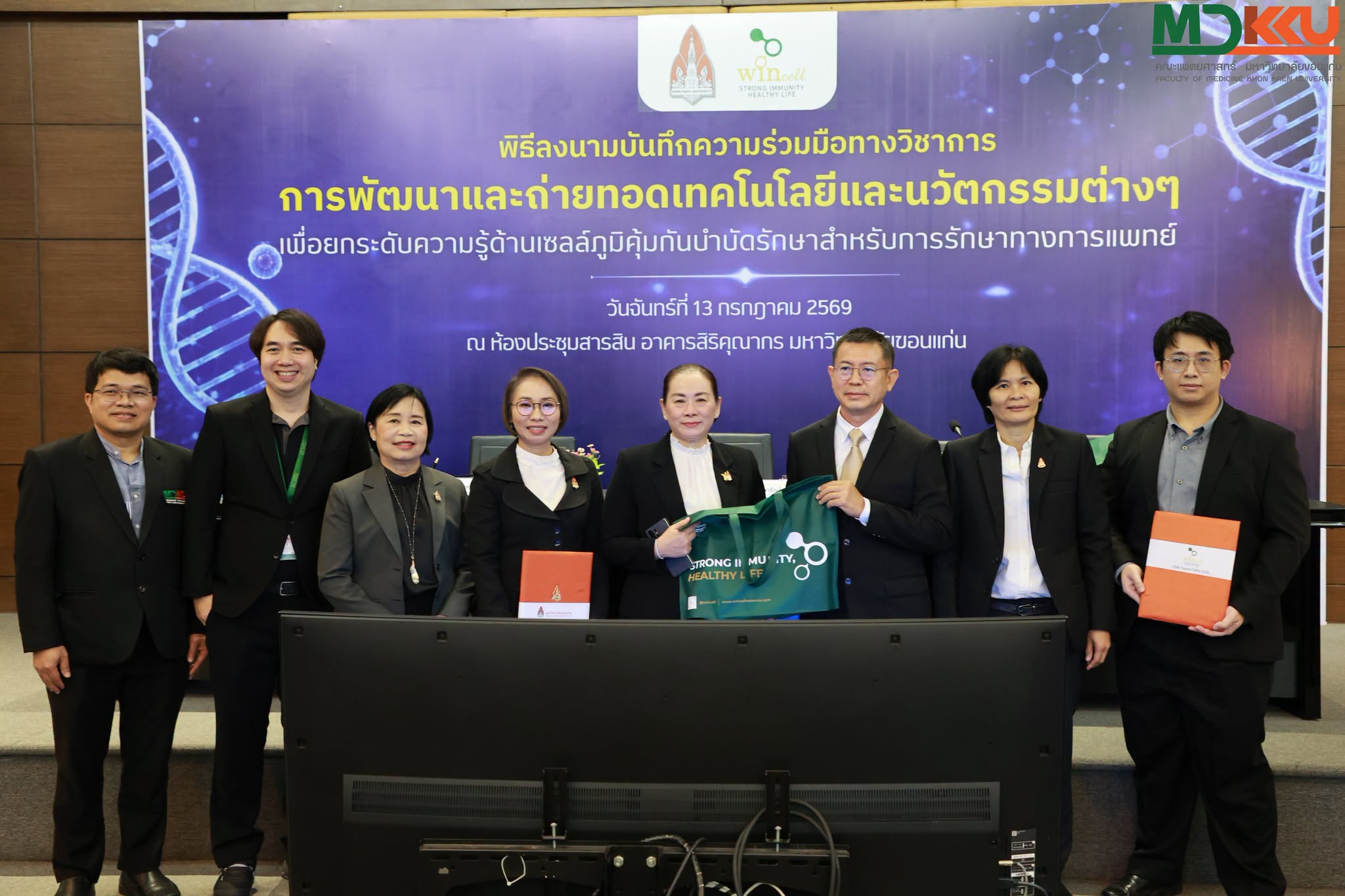
Wincell Research ฉลองก้าวสำคัญ จัดงานซิมโพเซียมยิ่งใหญ่
"Wincell Research Symposium: Beyond 20 Years Strong Immunity for Healthy Life"
มุ่งสู่ผู้นำนวัตกรรมเซลล์ภูมิคุ้มกันบำบัด
Telomeres are the protective nucleoprotein caps located at the distal ends of chromosomes, responsible for safeguarding genomic integrity. These structures progressively undergo attrition with each successive cell division as a natural consequence of aging. Once telomeres reach a critical threshold of shortening, cells enter a state of permanent growth arrest known as cellular senescence, significantly impacting physiological health.
Wincell Research ฉลองก้าวสำคัญ จัดงานซิมโพเซียมยิ่งใหญ่
"Wincell Research Symposium: Beyond 20 Years Strong Immunity for Healthy Life"
มุ่งสู่ผู้นำนวัตกรรมเซลล์ภูมิคุ้มกันบำบัด
Telomeres are the protective nucleoprotein caps located at the distal ends of chromosomes, responsible for safeguarding genomic integrity. These structures progressively undergo attrition with each successive cell division as a natural consequence of aging. Once telomeres reach a critical threshold of shortening, cells enter a state of permanent growth arrest known as cellular senescence, significantly impacting physiological health.
Telomeres are specialized DNA-protein complexes situated at the terminal ends of chromosomes. Their primary function is to prevent chromosomal degradation and end-to-end fusion. This section explores whether telomere length measured in peripheral blood (Leukocyte Telomere Length) accurately reflects the telomeric status across various organ systems.
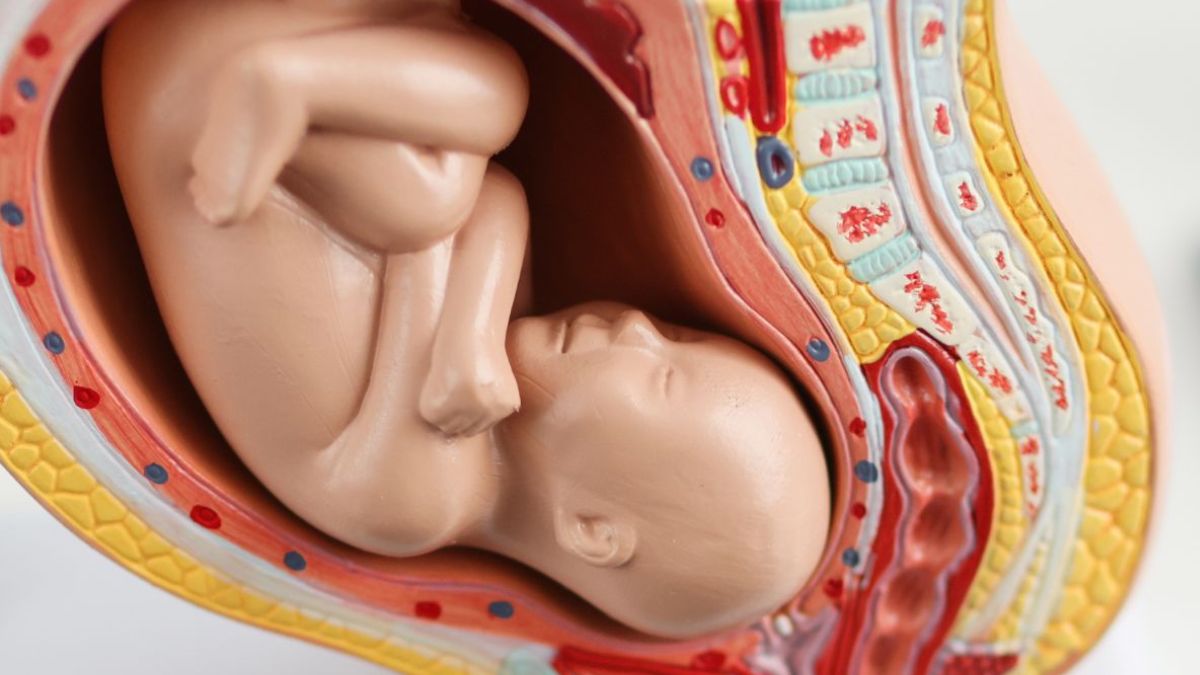
In contemporary society, factors such as chronic stress, demanding lifestyles, and environmental pollutants have contributed to rising infertility rates among urban families. Emerging research highlights the pivotal role of Natural Killer (NK) cells in the reproductive environment, emphasizing the necessity of immunological screening prior to conception.
Understanding telomeric dynamics is essential for developing appropriate clinical interventions to delay aging. Effective mitigation of telomere shortening involves a multi-faceted approach, including circadian rhythm optimization, physical exercise, psychological stress management, and targeted nutritional supplementation.