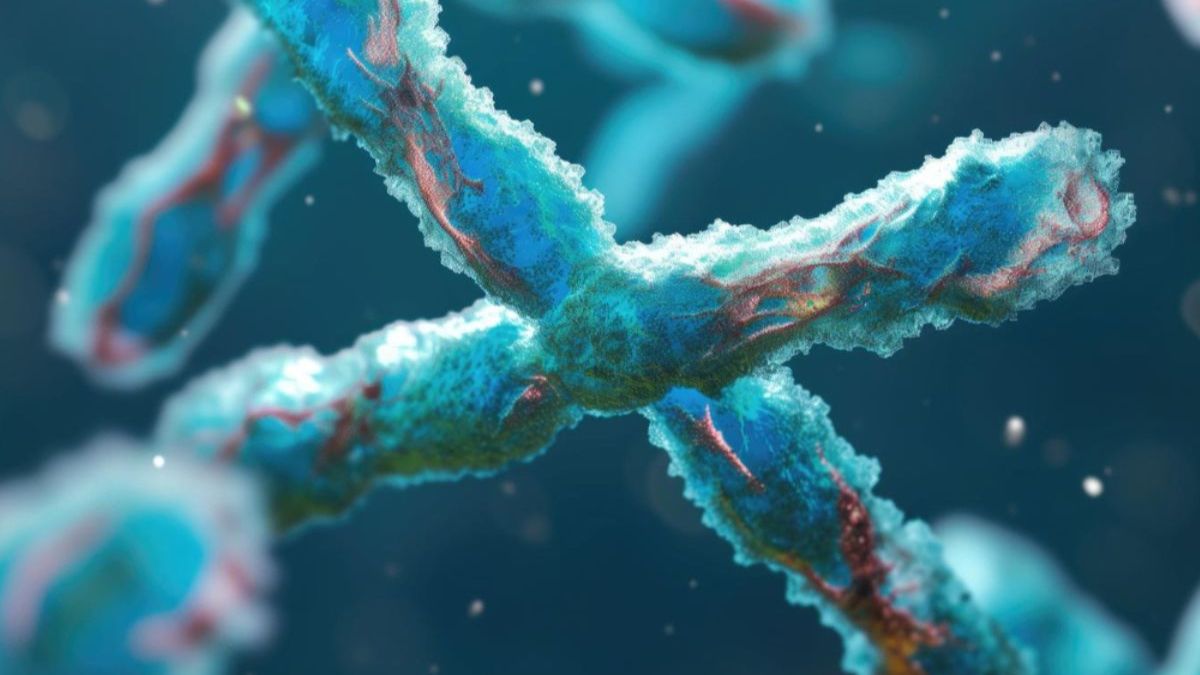

Telomeres are specialized structures composed of DNA-protein complexes situated at the terminal ends of chromosomes. They play a critical role in safeguarding chromosomes from degradation and preventing end-to-end chromosomal fusion. Telomeres progressively shorten with each cycle of cell division. Once they reach a critical threshold, this attrition triggers cellular senescence, a state of permanent growth arrest that is recognized as one of the primary hallmarks of aging.
Extensive research has demonstrated that shorter telomere length is strongly associated with age-related diseases, including cardiovascular disorders and Type 2 diabetes, as well as an increased risk of overall mortality. Conversely, excessively long telomeres may be linked to a heightened risk of developing certain types of cancer.
The Genotype-Tissue Expression (GTEx) Project: Bridging the Knowledge Gap
While most previous studies have relied on blood samples to measure telomere length, there has been a historical lack of understanding regarding telomeric variability across different organ systems. To address this, the Genotype-Tissue Expression (GTEx) project conducted a comprehensive study analyzing over 6,000 tissue samples from more than 950 donors across 20 different tissue types.
The study aimed to evaluate tissue-specific telomere diversity, the correlation between blood telomere length and other tissues, and the impact of biological and environmental factors. Utilizing a Luminex-based assay and rigorous statistical analysis, the researchers examined variables such as age, sex, Body Mass Index (BMI), smoking history, and genetics.
Key Research Findings
Tissue-Specific Variability: Telomere length varies significantly across different tissues; the longest telomeres were identified in the testes, while the shortest were found in the blood.
Biological Origin: Tissues derived from the same embryonic germ layers tend to exhibit similar telomere lengths.
Systemic Correlation: There is a positive correlation in telomere length across different organs, particularly among those within the same physiological system.
Blood as a Surrogate: In many clinical contexts, telomere length measured in the blood serves as a viable proxy for the telomeric status of other internal tissues.
Age-Related Attrition: In the majority of tissues, telomere length is inversely correlated with age, meaning they shorten as an individual grows older.
Differential Shortening Rates: The rate of telomere attrition varies by tissue type. Notably, shortening in the blood and stomach lining shows the strongest correlation with advancing age.
Genetic Influence: Single-nucleotide polymorphisms (SNPs) associated with Leukocyte Telomere Length (LTL) also influence telomere length in other tissues.
Ancestry and Genetics: Individuals of African ancestry were found to have longer telomeres on average compared to those of European descent.
The Role of Telomerase: The enzyme telomerase (comprised of TERT and TERC proteins) is essential for maintaining telomere integrity. Its expression is highest in testicular tissue, consistent with the longer telomeres observed there.
Lifestyle Impacts: Smoking and obesity are associated with accelerated telomere shortening in specific tissues, reflecting the profound influence of environmental factors on cellular aging.
Disease Associations: Shortened telomeres are linked to chronic conditions such as Type 2 diabetes and pulmonary fibrosis.
Oncological Links: Telomere length in healthy tissue often mirrors the telomeric status of tumors originating in that same tissue, highlighting a significant link between telomere dynamics and cancer progression.
Genetic Mutations: Mutations in genes responsible for telomere maintenance can lead to pathologically accelerated telomere shortening.
This study provides a comprehensive overview of the multifaceted nature of telomere length, influenced by a complex interplay of genetics, lifestyle, and environment.
The findings confirm that while blood-based telomere testing is a reliable indicator for many tissues and reflects biological aging, tissue-specific analysis remains necessary in certain clinical contexts. Understanding these dynamics is pivotal for developing high-precision diagnostic tools, particularly for age-related diseases, and for advancing regenerative therapies focused on preserving and restoring telomere integrity.
Read More
Demanelis, K., Jasmine, F., Chen, L.S., Chernoff, M., Tong, L., Delgado, D., Zhang, C., Shinkle, J., Sabarinathan, M., Lin, H. and Ramirez, E., 2020. Determinants of telomere length across human tissues. Science 369, eaaz6876.